EU and UN Join Forces to Put Victims at the Heart of Liberia’s Ongoing Legal Reforms
26 March 2026
Monrovia, 26 February 2026
PRESS RELEASE
EU and UN Join Forces to Put Victims at the Heart of Liberia’s Ongoing Legal Reforms
Monrovia, 26 February 2026
The European Union, in partnership with the Office of the United Nations High Commissioner for Human Rights (OHCHR), has officially launched a new project titled Strengthening Victim Centred Transitional Justice Mechanisms in Liberia during a workshop organized for parliamentary staff on transitional justice. The initiative represents a major step forward promoting justice, accountability, reconciliation and sustainable peace in the country. With an investment of over USD 724,000 covering 2026 and 2027, the project ensures that those most affected by past crimes are no longer sidelined while supporting national efforts to establish credible and inclusive accountability mechanisms.
The Deputy Head of the Delegation of the European Union to Liberia, Zoltan Szalai said: “This initiative reflects the European Union’s strong and long-standing commitment to the people of Liberia in their pursuit of justice and accountability. A victim centred approach is essential to rebuilding trust, strengthening the rule of law and ensuring that the painful experiences of the past are acknowledged. The European Union will continue to stand with Liberia in advancing a peaceful, inclusive and democratic society where no one is left behind.”
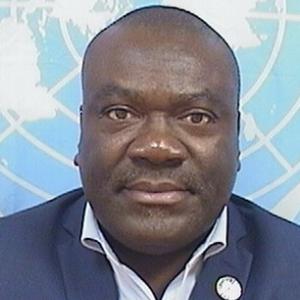
The Representative of OHCHR in Liberia, Christian Mukosa, said: “OHCHR is committed to ensuring this project bolsters the results obtained this far by national stakeholders, including with the support of OHCHR, to ensure the operationalization of victim-centred judicial mechanisms such as the War and Economic Crimes Court (WECC) and the National Anti-Corruption Court (NACC) brings redress to victims of past gross human rights violations and corruption-related offences to contribute to reconciliation and prevent recurrence.”
The initiative provides crucial technical support to build credible and inclusive systems for the establishment of the WECC and the NACC. By working alongside the Ministry of Justice, the Judiciary, the Office for the Establishment of the War and Economic Crimes Court (OWECC-L), and the Liberian Anti-Corruption Commission (LACC), the project will contribute to the training and reinforce the technical capacity of national investigators, prosecutors, and judges to handle complex cases while ensuring that victims and witnesses feel safe, heard, and protected.
Considering that Justice happens both in the courtroom and in the community, this project extends its reach to civil society organisations, the academia, and the media to monitor the process effectively. It also creates a vital safety net for whistleblowers and human rights
defenders so they can speak truth to power without fear. Through targeted community engagement, the initiative ensures that women, youth, and persons with disabilities are lead architects of the reconciliation process and the development of the country.
For more information, please contact: Jesadeh Boley Nyakonah Jesadeh.BOLEY@eeas.europa.eu +231 881 937 048
Or
Christian Mukosa
mukosa@un.org
+231 779 309 675



UN entities involved in this initiative
Goals we are supporting through this initiative